


Sharks in diving
Species, behaviour and safety for controlled and respectful encounters
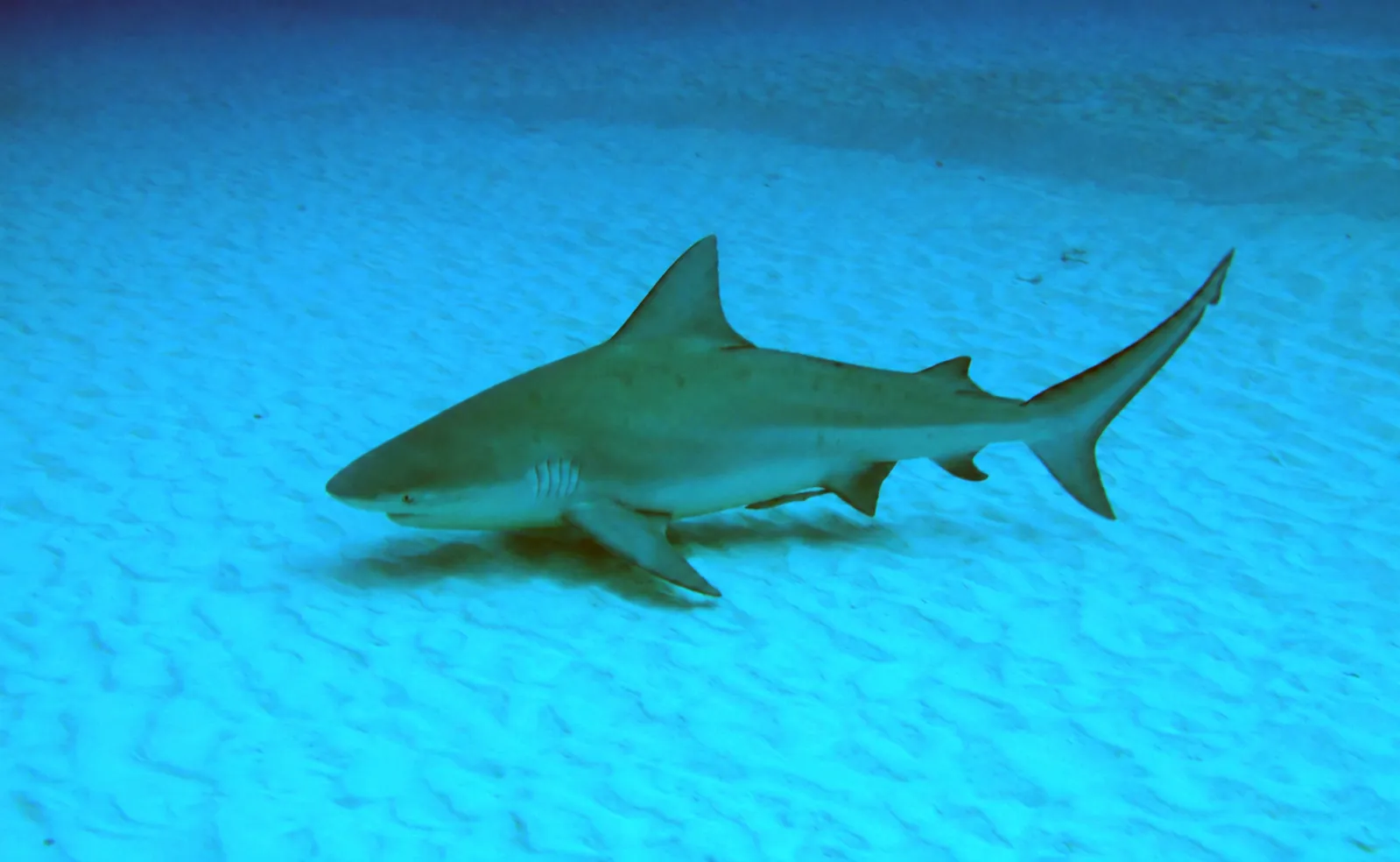
Encountering a shark during a dive is one of the most impressive experiences in the underwater world. Most encounters are calm: the animal observes, keeps its distance or leaves the area.
To dive safely with sharks, it is essential to identify the species, interpret its body language and follow the procedures set by the guide or dive centre.
Are sharks dangerous to divers?
Sharks are predators, but they do not consider humans their usual prey. The risk increases when they are touched, fed, chased or prevented from leaving, and when injured or caught fish are in the water.
KEY POINT - The aim is not simply to lose your fear, but to replace it with knowledge, a safe distance and sound diving skills.
Species commonly encountered while diving
Each species differs in size, habitat and behaviour. These are some of the species most frequently observed by divers:
Whitetip reef shark
It often rests in caves or crevices. Do not block its exit or try to touch it while it is resting on the bottom.
Blacktip reef shark
Common in lagoons and shallow reefs. Active and cautious, it usually moves away in response to sudden movements.
Grey reef shark
Fast and territorial. Watch for changes in direction, tight turns and pronounced lowering of the pectoral fins.
Nurse shark
It appears calm, but may bite if touched or cornered. Its slow movements should not be mistaken for docility.
Other species you may encounter
Hammerhead shark
It may appear alone or in schools. Sensitive to noise, it usually keeps its distance; stable buoyancy improves the encounter.
Tiger shark
Large, powerful and very curious. Dives should be conducted with specialist operators and strict protocols.
Bull shark
Stocky and assertive. It may frequent coastal waters and areas with reduced visibility; experience and good group control are required.
Oceanic whitetip shark
Pelagic and persistent. Maintain visual contact, stay with the group and end the dive if its interest increases.
Whale shark
It is the largest fish and feeds by filtering water. Keep your distance, do not block its path and avoid approaching its tail.
How to interpret their behaviour
A calm shark usually swims with steady movements, follows a defined course and maintains a consistent distance from the group.
When the animal changes its swimming pattern, approaches repeatedly or shows body tension, the group should become more alert and prepare to leave the area.
Warning signs
- Rapid turns, zigzag swimming or sudden changes in direction.
- Increasingly close approaches or direct passes.
- Sudden bursts of speed without a clear course.
- An arched back or tense body movements.
- Pectoral fins pointing markedly downwards.
THE RIGHT DECISION - A warning sign is not an opportunity to get a better photograph. Increase your distance and follow the exit procedure.
What can attract or disturb a shark?
Noise, irregular vibrations, injured fish, spearfishing and feeding can alter sharks’ natural behaviour.
The way the group moves also matters. A compact, stable group presents a different presence from an isolated diver kicking erratically or ascending in a disorganised way.
Buoyancy is also a safety skill
Good buoyancy control allows you to observe without chasing, prevents collisions with the reef and reduces movements that may cause stress or unnecessary curiosity in the animal.
Basic rules for diving with sharks
Before entering the water, listen to the full briefing. The guide should explain which species may appear, where the group will position itself and how the dive will end.
- Stay calm. Breathe normally and avoid impulsive reactions.
- Stay with the group. Do not leave your buddy to get closer or take photographs.
- Avoid sudden movements. Do not wave your arms or fins or rush towards the surface.
- Maintain visual contact. Monitor the animal’s position and course without chasing it.
- Do not touch or feed. Direct interaction can alter its behaviour and create an association with food.
- Leave an escape route. Do not surround the shark or trap it against the bottom, a wall or the reef.
- Follow the guide. Conditions can change, and local procedures take priority.
- End the dive when necessary. Any diver can call off the dive if they no longer feel safe.
REMEMBER - The presence of a shark does not override normal diving rules. Monitor your gas supply, ascent rate and planned stops.
What should you do if it comes too close?
Do not turn your back on it or lose sight of its position. Move closer to your buddy and, where possible, position yourself near the bottom, a wall or the reef to reduce the angles of approach.
Leave the area with firm, controlled movements. In open water, buddies can position themselves back to back while gradually ascending towards the boat.
If it attempts to make contact, use your camera or an object without sharp edges to create distance. The eyes, gills and snout should only be targeted in defence during an actual attack.
Never do these things
- Ascend hastily and without control.
- Turn your back on the animal to flee.
- Separate from the group or lose sight of the guide.
- Try to push it away with bare hands unless necessary for defence.
Common mistakes during these dives
The most common mistake is chasing the shark to film or photograph it. This behaviour may force it to change course and increase its stress levels.
- Entering the water without knowing the dive protocol.
- Leaving the group to get a closer image.
- Carrying caught fish or fishing remains close to your body.
- Ignoring signals from the guide or the animal itself.
- Having poor buoyancy control or repeatedly hitting the bottom.
- Running out of gas by extending the encounter beyond the plan.
Planning and safety before entering the water
The dive should match the diver’s actual level of experience. Before starting, check the depth, current, visibility, entry and exit points, and the boat’s diver recovery procedure.
Check that your equipment is in good condition and reserve enough gas for an early exit. The excitement of the encounter must never compromise the ascent, safety stop or planned distance from the surface.
Protection in the event of a diving accident
Although most shark dives take place without incident, every underwater activity involves medical, logistical and rescue risks.
Specialist diving insurance with international cover and assistance available 24 hours a day provides support in the event of diving accidents, evacuations and medical treatment, including hyperbaric chamber treatment when appropriate.
BEFORE YOU TRAVEL - Check that your cover is valid in the country where you will dive, includes the type of diving you plan to do and that you have easy access to assistance contact details during your trip.
Respect rather than fear
Sharks play an essential role in marine ecosystems. Observing them in their natural environment helps us understand their behaviour and move beyond many of the myths associated with these species.
The best dive is one in which the diver stays in control and the shark can continue on its way without feeling chased, surrounded or threatened.
DIVE WITH KNOWLEDGE. PROTECT YOURSELF WITH EXPERIENCE.
