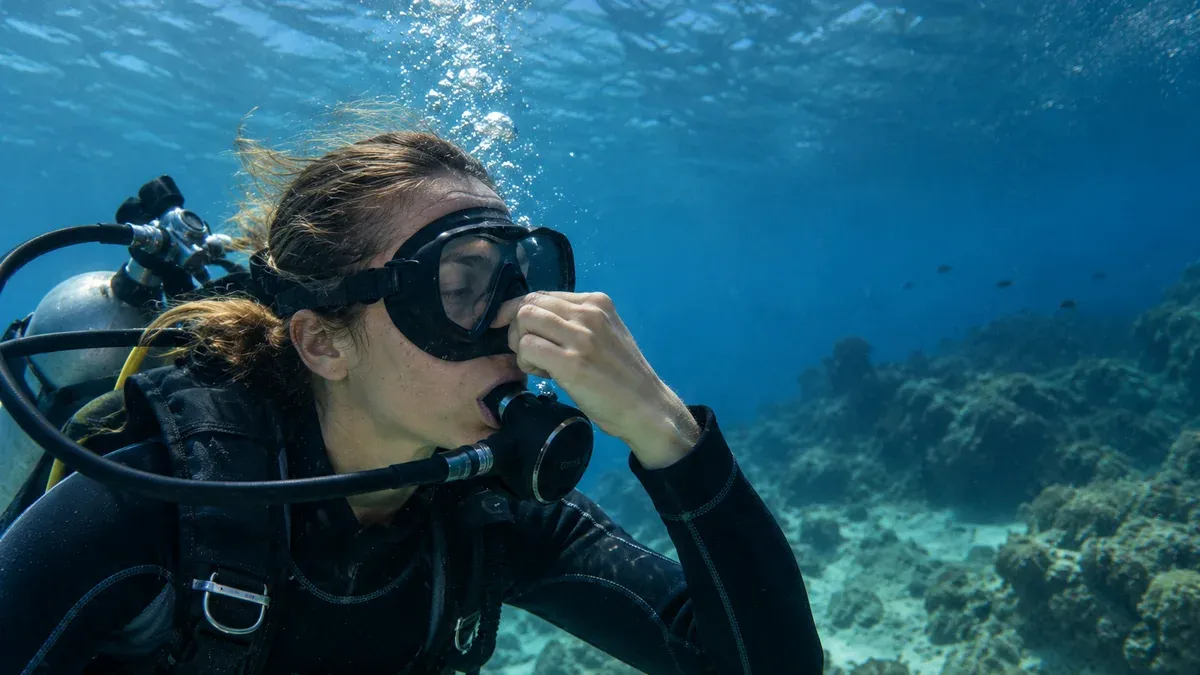
Alcohol and diving
Why You Should Never Mix the Two Decision-making, physiology and accident prevention underwater Having a beer after a day of diving may seem harmless. However, drinking alcohol before a dive, between dives or while further dives are still scheduled poses a genuine risk.
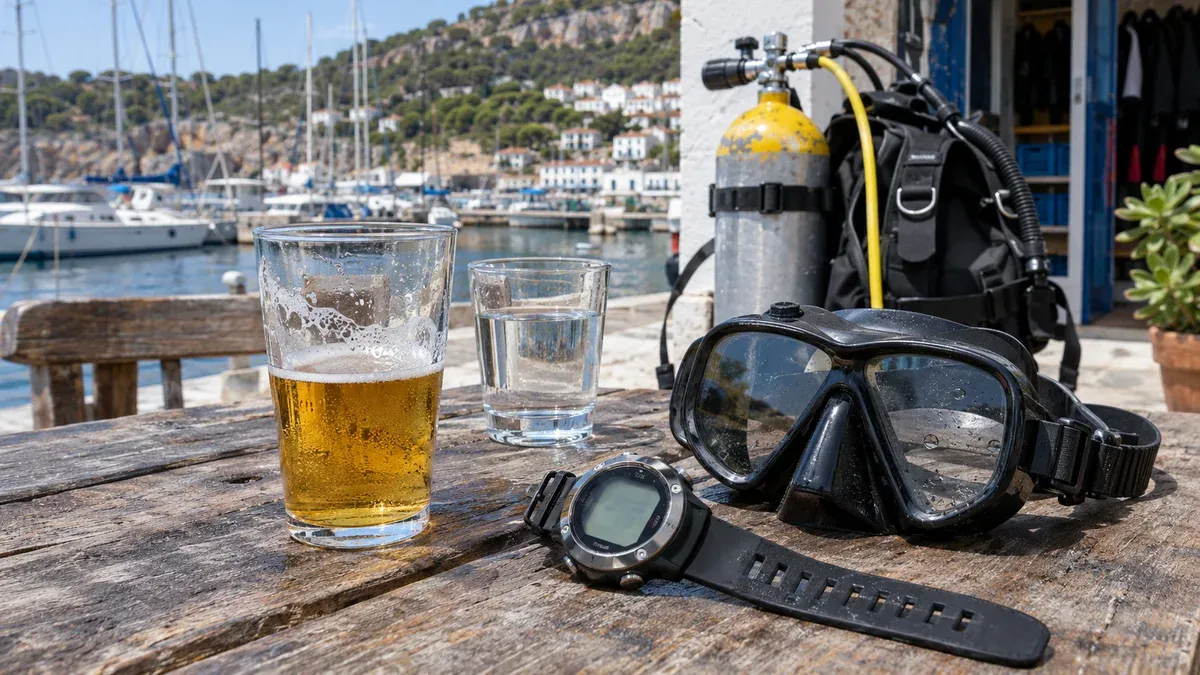
Diving requires concentration, coordination, quick reactions and an accurate assessment of conditions. Alcohol affects all these functions.
GOLDEN RULE: Alcohol and diving should never be mixed. If you still have dives planned, the only safe amount is zero.
How Does Alcohol Affect a Diver?
Alcohol acts as a central nervous system depressant. Even in quantities that do not cause an obvious feeling of intoxication, it can reduce the ability to assess a situation and respond appropriately.
- Slower reaction times.
- Impaired coordination and balance.
- Overconfidence and an inaccurate perception of risk.
- Reduced problem-solving ability.
- Difficulty following the dive plan.
Certain diving skills may be impaired at a blood alcohol concentration of 0.04%, a level at which a person may not appear visibly intoxicated.
Underwater, a slow or incorrect decision can lead to loss of buoyancy control, separation from your buddy, excessive gas consumption or an uncontrolled ascent.
Alcohol Impairs Reaction Time
During a dive, the diver must simultaneously monitor depth, time, cylinder pressure, buoyancy, their buddy and the environmental conditions.
They must also be ready to respond to an unexpected current, equipment failure or an out-of-gas situation. Alcohol reduces alertness, slows responses and may create a false sense of security.
A person who has been drinking is not always aware of the true extent to which their abilities have been impaired.
Alcohol, Depth and Nitrogen Narcosis
Nitrogen narcosis may occur as depth increases. Its effects vary from person to person but may include slowed thinking, euphoria, loss of concentration and difficulty carrying out simple tasks.
Alcohol consumption may intensify these effects. The combination of alcohol, depth and narcosis further reduces the diver’s ability to read instruments, control buoyancy or manage an emergency.
An affected diver may feel calm or excessively confident while, in reality, making dangerous decisions.
Alcohol, dehydration and narcosis together may contribute to accidents that normal problem-solving could prevent.
INVISIBLE RISK: Euphoria or an apparent sense of calm does not mean that the diver is functioning properly. Underwater, self-perception may also be impaired.
Alcohol Contributes to Dehydration
Proper hydration is important before, during and after a day of diving. Alcohol may increase fluid loss and worsen dehydration caused by heat, travel, seasickness, sweating or gastroenteritis.
Diving itself also contributes to fluid loss. Breathing dry gas from the cylinder, remaining in a cold environment and immersion diuresis can progressively reduce the body’s hydration level.
Dehydration is considered a factor that may contribute to the risk of decompression sickness, although it is not the only cause.
Drinking alcohol is not a substitute for drinking water. Nor is having an isotonic drink immediately before entering the water enough to reverse the effects of a night of excessive alcohol consumption.
Diving with a Hangover Is Not Safe Either
You do not need to remain under the direct effects of alcohol for there to be a problem. A hangover may cause headaches, nausea, fatigue, dizziness, difficulty concentrating, impaired coordination, irritability and dehydration.
These effects reduce physical and mental performance during a dive. In addition, some hangover symptoms may resemble those of decompression sickness, potentially delaying the decision to seek medical assistance.
Divers are advised to reconsider or postpone a dive whenever a hangover, lack of sleep or any other discomfort affects their mental sharpness.
You should not dive unless you feel fully recovered, properly hydrated and alert.
Increased Risk of Hypothermia
Alcohol causes peripheral vasodilation. This may create a temporary sensation of warmth even while the body is losing heat.
Heat loss occurs much faster in water than in air. Alcohol may worsen dehydration, alter the perception of cold and reduce the diver’s ability to recognise the early signs of hypothermia.
Alcohol consumption is discouraged in situations involving exposure to cold because it may impair alertness and worsen vasodilation.
This problem is not limited to diving in extremely cold water. A long dive, inadequate thermal protection or several repetitive dives may also cause progressive heat loss in water normally considered temperate.
Before entering the water, the diver must be:
- Completely sober and free from hangover symptoms.
- Properly hydrated and well rested.
- Able to concentrate and make decisions.
- In good physical and mental condition.
Whenever there is any doubt, the correct decision is to cancel or postpone the dive. Missing one day of diving is always preferable to having an accident.
WHEN THE RISK IS STILL PRESENT
WARMTH CAN BE DECEPTIVE: The sensation of warmth caused by alcohol does not mean that the body is retaining heat more effectively. In fact, the opposite may be happening.
Can You Drink Between Two Dives?
No. Drinking alcohol during a surface interval means beginning the next dive with impaired physical and mental abilities.
During this period, the body is also continuing to off-gas the nitrogen absorbed during the previous dive. The diver needs to rest, rehydrate, eat properly and review the plan for the next dive.
A beer with lunch may seem like a small amount, but there is no universally safe dose that can guarantee safe diving.
The effects depend on body weight, sex, food intake, medication, fatigue, metabolism and the quantity of alcohol consumed.
The safest rule is simple: if you still have dives planned, do not drink alcohol.
How Long Should You Wait Between Drinking and Diving?
There is no single waiting period that can be applied to every diver. The body needs time to metabolise alcohol, but feeling well does not necessarily mean that coordination, concentration and reaction time have fully recovered.
Coffee, a cold shower, sleeping for a few hours or exercising do not significantly speed up the elimination of alcohol. Nor do they automatically correct dehydration or lack of sleep.
What About After Diving?
Alcohol consumption after the final dive of the day also requires caution. Before drinking, it is advisable to replenish fluids, eat and rest.
Excessive alcohol consumption may worsen dehydration and hinder recovery before the following day’s dives. It may also mask or confuse symptoms that develop after a dive.
Severe tiredness, dizziness, nausea, weakness, coordination problems or headaches should not automatically be attributed to alcohol or physical exertion.
If symptoms consistent with a diving accident appear, alcohol should not be consumed. All activity should be stopped, emergency oxygen should be administered if available, and emergency medical services or the diving insurance assistance service should be contacted.
Your Buddy Is Also at Risk
A dive is not an individual activity. Every team member must be able to help the other if a problem occurs.
A diver under the influence may fail to notice that their buddy is in difficulty. They may also need rescuing, exposing the buddy, dive guide or instructor to additional risk.
Divers are responsible for both their own safety and their buddy’s.
Nobody should feel pressured to dive with someone who has been drinking or has a hangover.
Signs That the Dive Should Be Cancelled
- A noticeable smell of alcohol or slurred speech.
- Balance problems or delayed responses.
- Impulsive behaviour or confusion.
- Nausea, vomiting or a severe headache.
- Excessive fatigue.
- Difficulty assembling or checking the equipment.
Experience and certification offer no protection from alcohol. Overconfidence can make even instructors, divemasters and technical divers ignore clear warning signs.
Advice for a Safe Day of Diving
- Avoid alcohol completely before diving.
- Do not drink during surface intervals.
- Do not dive with a hangover.
- Drink water regularly throughout the day.
- Eat a balanced diet and get sufficient rest.
- Tell the dive guide if you do not feel well.
- Cancel the dive if your abilities are impaired.
- Make sure that your diving insurance details and emergency contact information are readily available.
Diving insurance may facilitate access to medical assistance, hyperbaric treatment or the coordination of an evacuation when these services are covered by the policy. However, no insurance coverage can prevent the physical consequences of a poor decision underwater.
DECISIONS AND PREVENTION
THE CONCLUSION IS CLEAR
Safety begins before entering the water.
Alcohol impairs judgement, coordination and reaction speed. It may also contribute to dehydration, worsen the effects of cold and make decompression sickness more difficult to recognise.
Diving requires you to be fully alert, well rested and prepared to respond to any unexpected situation. No dive is important enough to justify entering the water after drinking alcohol.
BEFORE DIVING
- Zero alcohol
- No hangover
- Proper hydration
- Sufficient rest
CANCEL THE DIVE IF
- Dizziness or nausea
- Confusion or slow responses
- Severe fatigue
- Poor coordination
FINAL MESSAGE: If you are going diving, do not drink. If you have been drinking or have a hangover, do not dive.
Note: This article is for informational purposes and does not replace an assessment by a healthcare professional. If symptoms occur after a dive, specialist medical assistance should be sought without delay.
SEGURSUB | segursub.com | Specialists since 2003